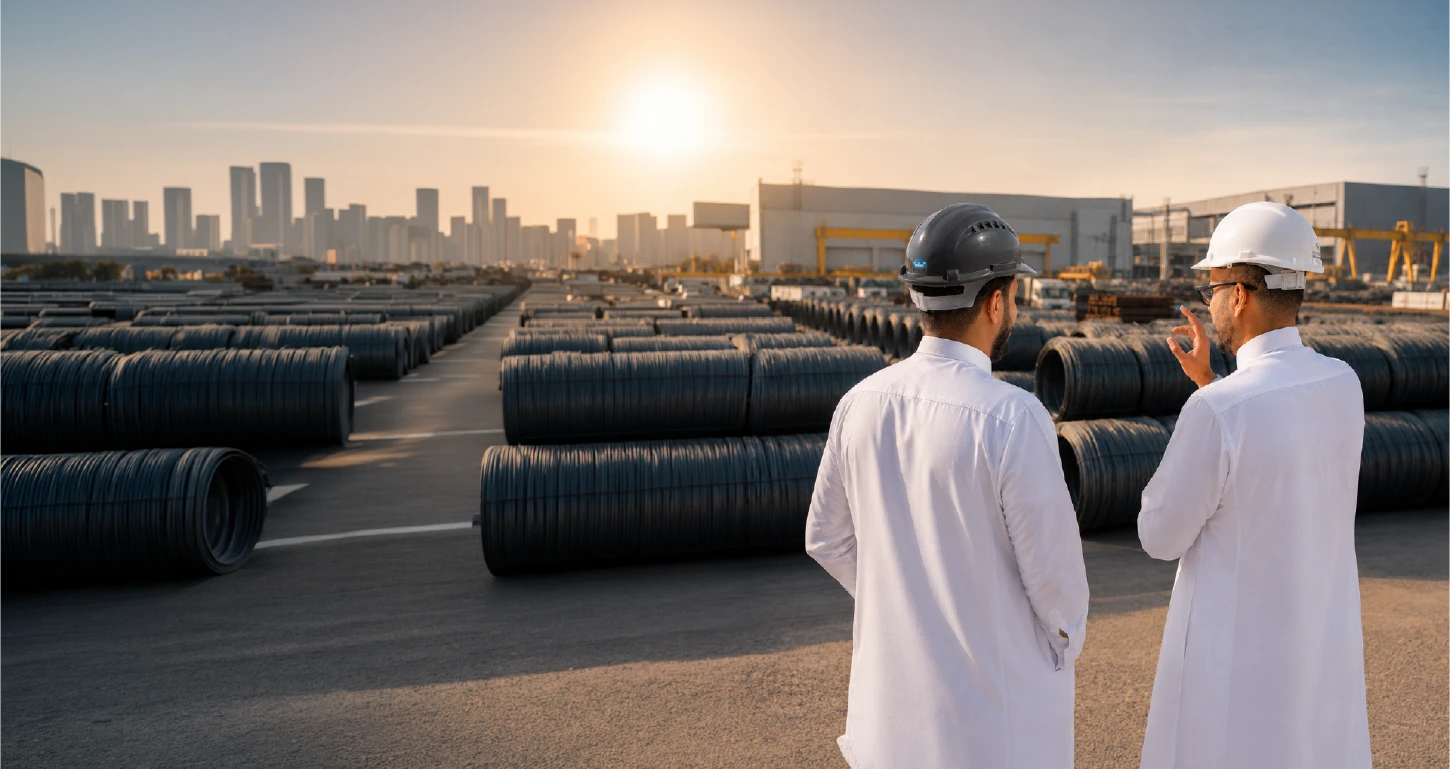
How Reinforcing Steel is Manufactured
Reinforcing steel forms the structural backbone of modern construction. From residential developments and commercial towers to industrial facilities and large-scale infrastructure projects, reinforced concrete relies on high-quality steel to deliver the strength, durability, and long-term performance required throughout a structure’s lifecycle.
The manufacturing of reinforcing steel is a highly controlled industrial process that combines advanced production technologies, precision engineering, and rigorous quality assurance. Every stage, from raw material selection to final inspection, contributes directly to the mechanical properties and reliability of the finished product.
At Watania Steel, manufacturing excellence is built upon integrated production systems, advanced process control, and continuous quality verification to ensure products consistently meet the expectations of engineers, contractors, and project owners.
Raw Material Selection
The manufacturing process begins with careful selection and inspection of raw materials.
Before production starts, every batch undergoes comprehensive evaluation to verify:
- Chemical composition
- Material consistency
- Purity levels
- Compliance with required specifications
Maintaining strict control over incoming materials establishes the foundation for producing reinforcing steel with dependable mechanical performance and consistent quality.
Steelmaking Process
Selected raw materials are processed under controlled conditions to produce high-quality molten steel.
During this stage, metallurgical parameters are carefully monitored to achieve the desired chemical composition while minimizing impurities that may affect structural performance.
Precise process control ensures that the steel develops the characteristics required for demanding construction applications.
Continuous Casting
Once the molten steel reaches its target composition, it is transformed into billets through a continuous casting process.
Billets serve as the primary feedstock for reinforcing steel production and are manufactured with exceptional dimensional consistency and internal integrity.
Continuous casting offers several advantages, including:
- Uniform material structure
- Improved production efficiency
- Reduced internal defects
- Enhanced product consistency
These characteristics provide a reliable starting point for downstream rolling operations.
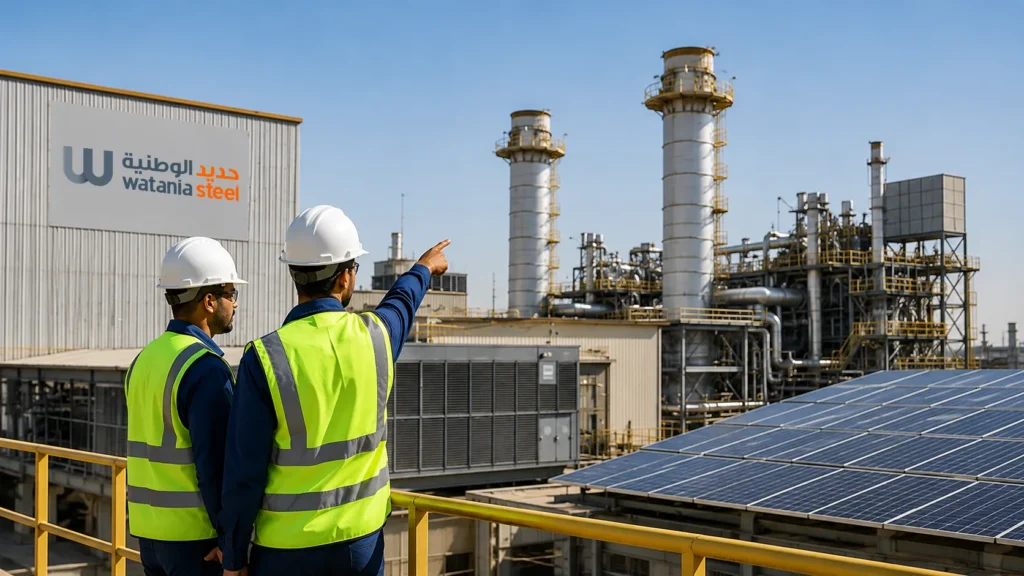
Hot Rolling Process
Steel billets are reheated before entering modern rolling mills, where they are progressively formed into reinforcing bars of various diameters.
Throughout the rolling process, sophisticated control systems monitor:
- Bar dimensions
- Surface quality
- Straightness
- Mechanical properties
This precision ensures that every reinforcing bar satisfies both engineering requirements and manufacturing tolerances.
Quality Control and Laboratory Testing
Quality assurance extends far beyond the production line.
Each production batch undergoes extensive laboratory testing to verify compliance with applicable standards and performance requirements.
Testing typically includes:
- Tensile strength
- Yield strength
- Elongation
- Chemical analysis
- Dimensional verification
- Visual inspection
These procedures help ensure that reinforcing steel delivers reliable performance under the demanding conditions of modern construction projects.
Compliance with International Standards
Reliable reinforcing steel must consistently comply with recognized national and international standards.
Manufacturing processes and quality management systems are designed to support compliance with industry requirements, helping engineers, consultants, and contractors specify products with confidence.
Adherence to internationally recognized standards also contributes to improved structural safety, construction efficiency, and long-term durability across a wide range of applications.
Supporting Sustainable Construction
Modern steel manufacturing is increasingly focused on operational efficiency, resource optimization, and responsible production practices.
Continuous improvements in manufacturing technologies, process control, and quality management contribute to:
- Greater production efficiency
- Reduced material waste
- Consistent product performance
- Improved operational reliability
These advancements support the growing demand for high-performance steel products used in sustainable infrastructure and construction projects.
Manufacturing Excellence at Every Stage
Producing high-quality reinforcing steel requires more than advanced equipment. It demands technical expertise, disciplined process control, and an uncompromising commitment to quality throughout every stage of production.
At Watania Steel, every reinforcing bar is manufactured through an integrated production process supported by modern technologies, rigorous testing procedures, and continuous quality assurance. The result is reliable steel solutions that help engineers and contractors build stronger, safer, and more durable structures for generations to come.