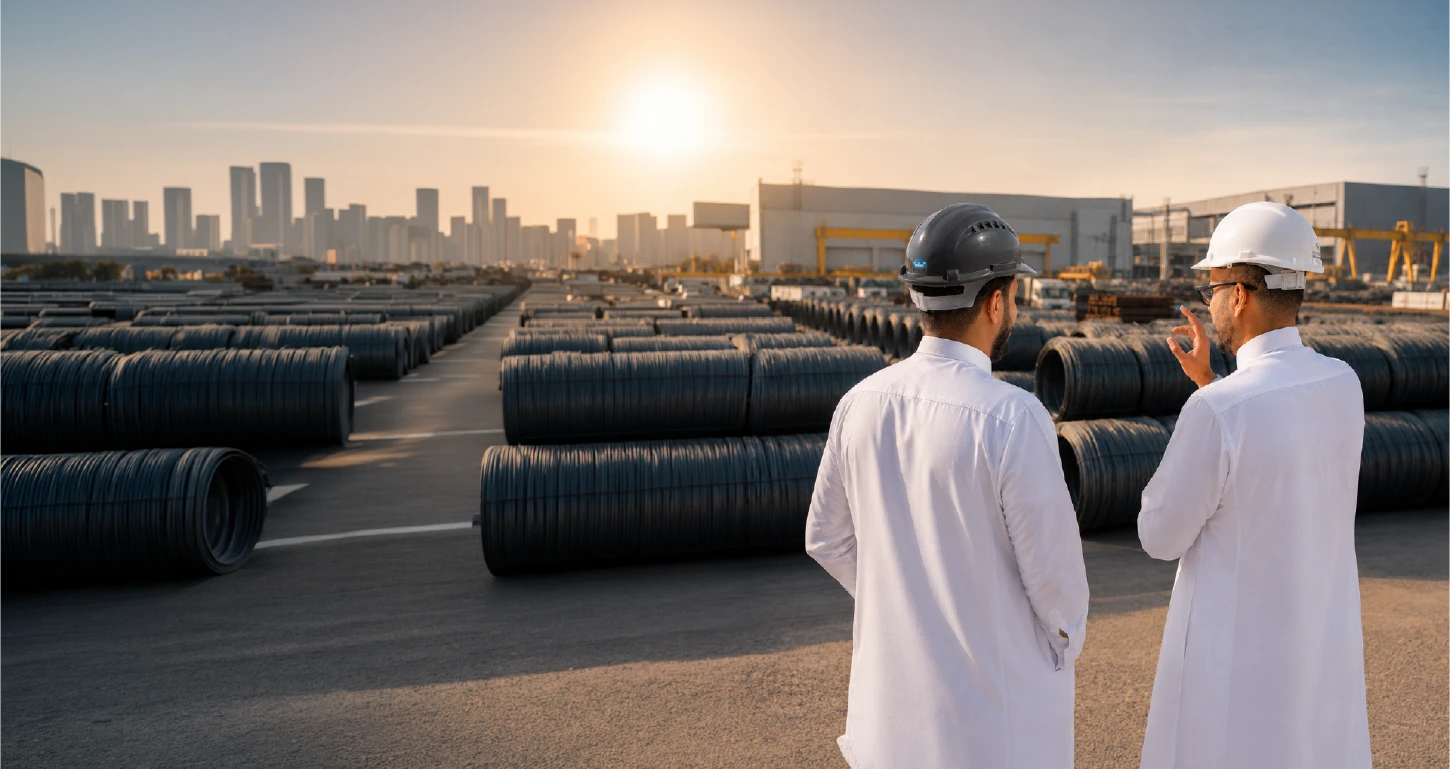
Every structure is designed to perform safely under a wide range of conditions throughout its service life. While concrete provides exceptional compressive strength, reinforcing steel delivers the tensile resistance necessary to maintain structural integrity under dynamic and static loads.
For this reason, the quality of reinforcing steel is not simply a manufacturing objective. It is a fundamental engineering requirement that directly influences structural safety, durability, and long-term performance.
Selecting reinforcing steel that consistently meets recognized quality standards helps reduce construction risks, improve project reliability, and support sustainable infrastructure development.
The Foundation of Structural Performance
Reinforcing steel works in combination with concrete to create structural systems capable of resisting tension, bending, and shear forces.
The mechanical performance of reinforcing bars directly affects a structure’s ability to withstand:
- Heavy service loads
- Wind forces
- Seismic activity
- Thermal expansion and contraction
- Long-term structural fatigue
Consistent material quality ensures that these loads are distributed as intended by structural engineers throughout the life of the building.
What Defines High-Quality Reinforcing Steel?
The quality of reinforcing steel is determined through a combination of controlled manufacturing processes, material consistency, and comprehensive laboratory testing.
Key performance characteristics include:
- Yield strength
- Tensile strength
- Ductility
- Elongation
- Dimensional accuracy
- Chemical composition
- Surface integrity
Each characteristic contributes to the overall structural reliability of reinforced concrete systems.
Maintaining consistency across every production batch is equally important, particularly for large-scale projects where uniform mechanical performance is essential.
The Importance of Quality Control
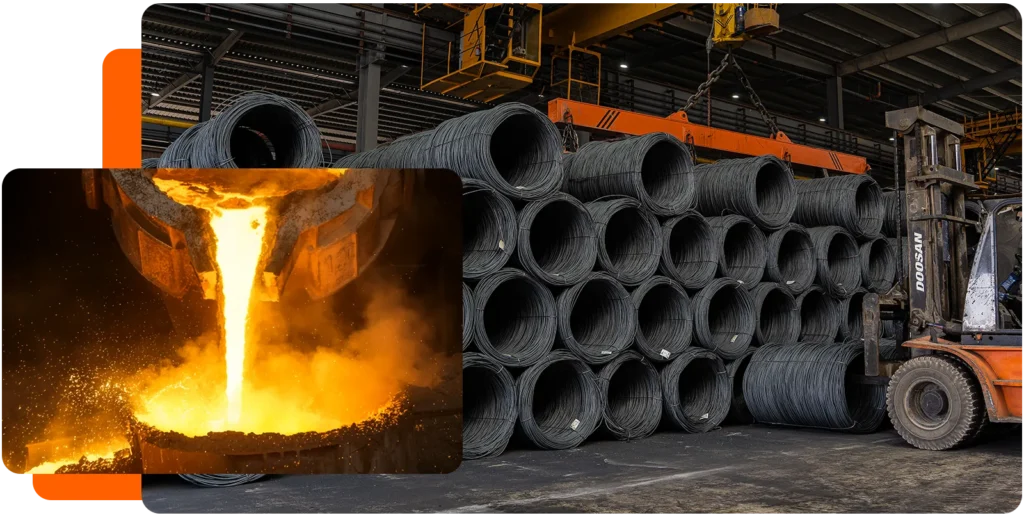
Modern steel manufacturing relies on continuous monitoring throughout every stage of production.
Comprehensive quality control procedures help verify that products consistently satisfy engineering specifications before they reach construction sites.
Typical inspection and testing activities include:
- Mechanical testing
- Chemical analysis
- Dimensional inspection
- Surface examination
- Production monitoring
- Laboratory verification
By identifying any variation early in the manufacturing process, quality control supports reliable product performance and minimizes potential risks during construction.
Compliance with International Standards
Reinforcing steel must comply with recognized national and international standards to ensure safe and consistent performance.
Manufacturing in accordance with established specifications provides engineers, consultants, contractors, and project owners with confidence that the material meets strict technical requirements for structural applications.
Compliance also facilitates project approvals, supports quality assurance programs, and contributes to the successful execution of complex infrastructure developments.
Long-Term Value Beyond Construction
Choosing high-quality reinforcing steel provides benefits that extend well beyond the construction phase.
Reliable materials contribute to:
- Enhanced structural safety
- Improved durability
- Longer service life
- Lower maintenance requirements
- Reduced lifecycle costs
- Greater project reliability
For owners, developers, and contractors, investing in quality materials helps protect the long-term value of both the asset and the investment.
Supporting Sustainable Construction
As construction projects continue to grow in scale and complexity, material quality plays an increasingly important role in sustainable development.
High-quality reinforcing steel contributes to more efficient resource utilization by reducing material variability, minimizing waste, and improving construction efficiency.
Consistent manufacturing processes also support responsible production practices that align with the evolving needs of modern infrastructure and environmentally conscious development.
A Commitment to Manufacturing Excellence
Quality is achieved through disciplined manufacturing, advanced technologies, experienced professionals, and continuous improvement.
At Watania Steel, every stage of production is designed to deliver reinforcing steel that meets demanding engineering requirements while supporting the highest standards of safety, consistency, and performance.
By combining modern manufacturing technologies with rigorous quality assurance, Watania Steel provides reliable steel solutions that help build stronger, safer, and more resilient communities.